Description
What remains when a name is erased?
A telephone rings at four in the morning.
A mother wears a sentence down to a thread of sound.
A photograph is turned over.
A form waits for an emergency contact.
At the waterline, an old man steps closer to the sea.
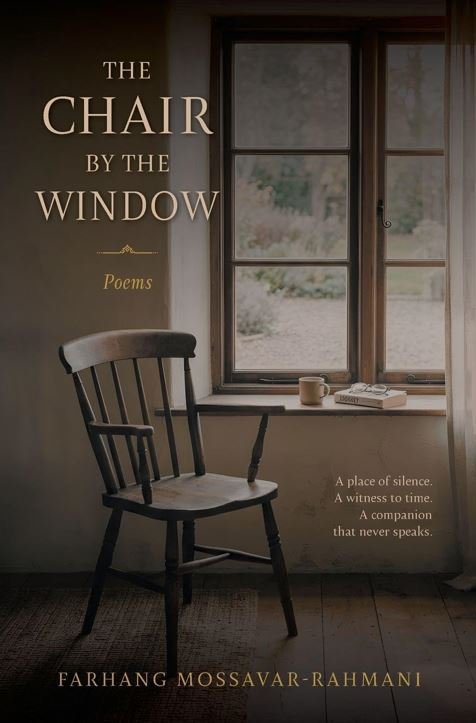
Composed first in Farsi and carried into English, these poems emerge from Iran’s recent history and from the private rooms where history arrives. They enter prisons, kitchens, streets, family rooms, and landscapes altered by human hands. They meet violence without making a spectacle of it, and grief without asking grief to explain itself.
Across six movements, the collection widens from the individual to the house, from the house to the street, from the street to the document and the machine, and finally to the edge of what can be named. A gathering of companion essays follows the poems, placing them in conversation with other writers and thinkers.
In Attar’s telling, thirty birds reach the mountain and find themselves.
Here, they arrive and find no one waiting.
What remains is sometimes evidence.
Sometimes silence.
And sometimes only the place
where the name should be.