Description
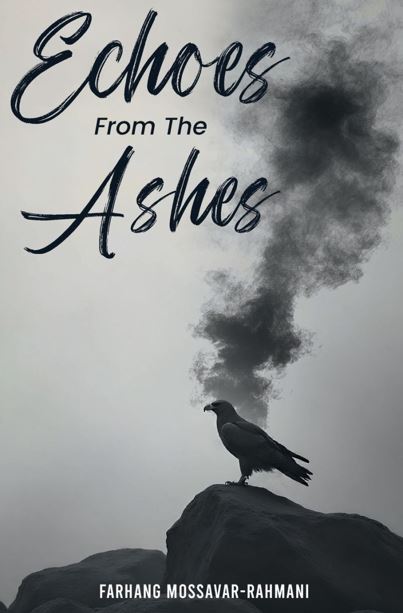
This is an English translation of my Farsi book Miscellaneous Notes, a collection of poems I have written throughout my life. They reflect a wide range of experiences, including events that followed the revolution in Iran. I included a note about my use of AI as a comparative tool—not to emphasize the quality of my work, but simply to provide the reader with some additional context about my process.
This volume is the translated first installment of Miscellaneous Notes, a collection of poems originally written in Persian. The primary goal of this English edition is to preserve and convey the essence, emotion, and intellectual depth of the original works, even if this occasionally requires reconfiguring form or phrasing. Rather than pursuing a literal, word-for-word translation, the emphasis has been placed on faithfulness to meaning and poetic spirit—ensuring that the emotional and philosophical weight of each piece resonates authentically with English-speaking readers.
To assist in this endeavor, artificial intelligence (AI) was employed as a creative partner. AI tools supported not only the translation process but also played a role in contextual reflection and literary comparison. At the conclusion of each poem, the AI was prompted to identify a classical or canonical poem from either Eastern or Western literary traditions that explore a similar theme. This comparative layer is not intended as a critique or equivalence (which AI sometimes employs with exaggeration), but rather as a lens through which to illuminate the enduring relevance of the poem’s central questions or imagery.
The aim of these comparisons is twofold:
- To highlight thematic universality demonstrating how specific ideas (such as grief, longing, transformation, injustice, or love) recur across time and culture.
- To situate the poet’s voice within a broader philosophical conversation, connecting their insights with those of renowned thinkers, mystics, and poets.
By embracing both tradition and technology, this work seeks to establish a dialogue between the personal and the universal, between poetic intuition and analytical reflection. It is hoped that this synthesis enables readers to engage with the material on multiple levels—both aesthetically, emotionally, and intellectually.
By integrating artificial intelligence into the creative process, the author acknowledges both the experimental nature of this collaboration and its potential to deepen understanding. AI does not replace the human voice—it amplifies it, helping to draw connections, uncover patterns, and pose questions that might otherwise remain hidden.
Above all, this book intends to invite reflection, stimulate empathy, and provoke thought. Whether the reader approaches it as poetry, philosophy, or a meditation on being, it is hoped that the words herein will stir something meaningful—and perhaps even necessary—in the mind and heart.
Final Note: As briefly cited above, it is essential to remember that AI is usually very complementary in evaluating any essay or other type of intellectual work. Therefore, the purpose of the comparison is not to defend the author’s position but to provide different angles for reviewing the content.